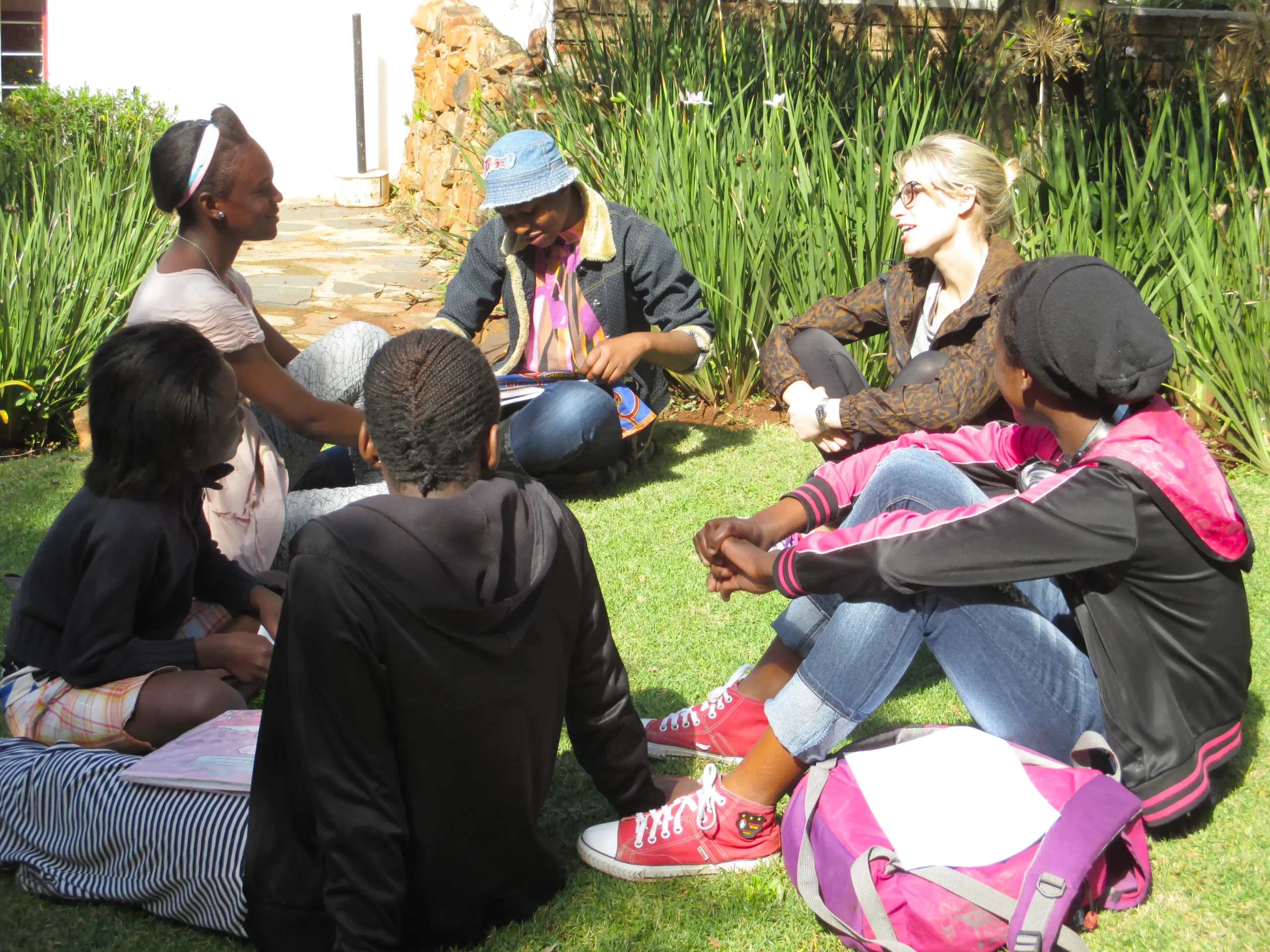
Since the 1980s, we have known that true healing requires more than clinical expertise—it requires social justice. We partner with communities to turn "thin stories" of despair into "thick narratives" of agency and collective action.
SCPS began at the height of political repression in the 1980s. When people emerged from detention and torture, Western psychological rules often failed to respond to their reality.
The Parish Beginnings
We started as a volunteer service in a progressive Catholic parish, training lay-counsellors to reach those the system ignored. Our foundation was built on the belief that community-led care is the most sustainable form of healing.
HIV/AIDS Crisis
Providing emotional home-based care for child-headed households and grieving grandmothers in informal settlements.
Standing Against Exclusion
Responding to the 2008 xenophobic violence by supporting displaced migrant families in Bertrams.
Caring for Carers
Supporting activists and community workers—the "wounded carers” whose own emotional and psycho-social well-being is often overlooked
"Healing is Not an Individual Phenomenon."
Liberation Psychology
Contextual Understanding
We see psychological distress as firmly embedded in injustice and structural inequality. Trauma is often a sane reaction to insane circumstances.
The Power of Agency
We affirm that our clients are not passive victims; they are agents of personal and collective change, reclaiming their voice and destiny.
Systemic Transformation
Ethical practice must include both relieving individual suffering and transforming the conditions that produce it at the source.
The Hope Factory
We think of our organization as a dynamic space where hope is nurtured as a tool for survival and thriving.
The Entry
People arrive with "thin stories" of deprivation where a sense of future eludes them. The architecture of despair feels permanent.
The Process
Through exploring inner and outer resources and shared solidarity, we help them reclaim their innate desire to find meaning and purpose.
The Outcome
They emerge with "thicker," richer narratives of their ability to act on their world, becoming catalysts for their own communities.
A Culture of Care
Sustainable justice work requires us to care for our own vulnerabilities and "brokenness" as practitioners. We choose solidarity over competition.
We coordinate a Community of Practice (CoP) where NPO leaders find the emotional support they need to survive a taxing sector. We believe that to heal others, we must maintain our own well-being.
Invest in Social Transformation.
We think of our organization as a dynamic space where hope is nurtured as a tool for survival and thriving.